

Fire Emblem Fortune’s Weave Expansion Pass DLC Brings New Waves, New Faces

Share
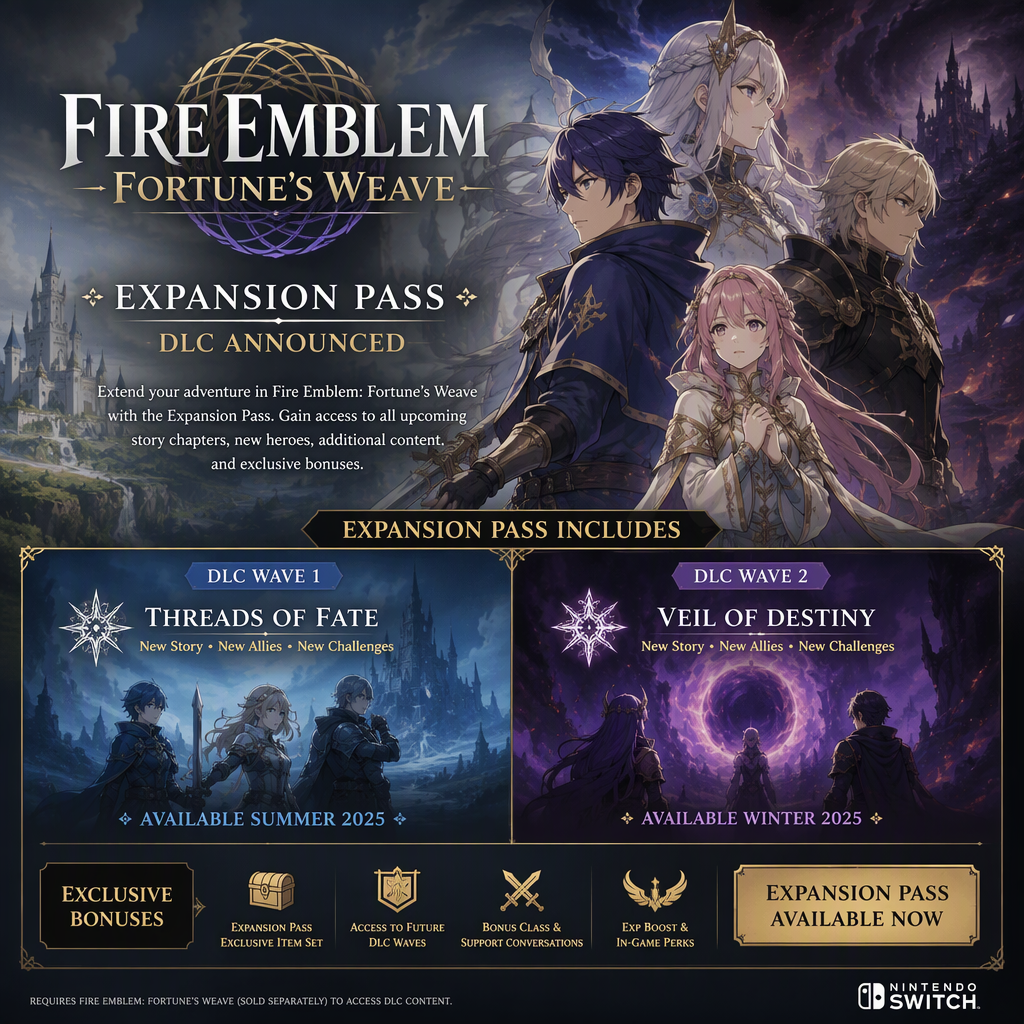
🎮 AI-drawn 可愛い fan art 'ish. No humans were harmed in the render
🎮 DLC or Just Dressing?
Nintendo keeps rolling out Fire Emblem DLC like it’s serving tapas, but let’s ask the real question: how much ‘expansion’ are we paying for versus recycled content dressed in new armor? Black RPG fans know the grind. We’ve been strategizing since PS2 days, but don’t let these drip-fed updates hustle you out of your coin.
🎯 🎲 Gatekeeping’s Gameboard
Here’s the thing about these endless waves of DLC: it’s not just about more gameplay or shiny new characters. It’s about who gets to hold the dice in a game that’s rigged. Fire Emblem: Fortune’s Weave may be a fantasy world of swords and strategy, but the choices Nintendo makes in this Expansion Pass show us the same patterns we see outside the battlefield. The gatekeeping, the upselling, the careful calculation of who gets to be centered and who’s left on the sidelines, it’s all systemic, even here.
Look at Fire Emblem as a franchise. It’s one of those games that’s been called “iconic,” but let’s be clear about what kind of icon it is: elite, polished, and deeply invested in European aesthetics. Castles, knights, a hierarchy that feels like it was ripped straight out of a medieval history book, you know the vibe. When Fire Emblem does diversity, it’s like a sprinkle of seasoning on a dish that’s already been plated. The characters of color show up as exoticized warriors or noble outsiders, rarely central to the narrative. And even when they’re present, their stories often feel like side quests rather than the main campaign.
So now comes Fortune’s Weave, bringing us new faces and new waves of content, but for what price? You’ve got three waves of DLC that aren’t just costly in dollars but in the time and energy fans pour into keeping up. For Black players and gamers from marginalized communities, it raises the same question we always ask in spaces that don’t prioritize us: where do we fit in? Who are these expansions really for? Because let’s be honest, Nintendo isn’t thinking about equity when it’s designing these passes. It’s thinking about profit margins, retention rates, and how to keep players hooked without shaking up the formula too much.
When Fire Emblem does diversity, it’s like a sprinkle of seasoning on a dish that’s already been plated.
And while Nintendo is stacking up those profits, we’re still rolling the dice for representation. Sure, we’ll see characters who break the mold here and there, but they’re exceptions to the rule. The real challenge is that these games, and their expansions, aren’t built to reflect us. They’re built to keep us consuming, chasing after content like it’s the next big thing, and they do it without asking why we’ve been left hungry in the first place.
But here’s the rub. Even if we know we’re being played, Black players still show up for these games. We create community around them, remix them, reclaim what we can. We don’t just consume; we critique, we innovate, we imagine ways these worlds could look if they actually had us in mind. That’s power too, and it’s worth naming. Because even if Nintendo won’t, we see the gaps. We know what the blueprint could look like if it wasn’t so one-note.
Fortune’s Weave, for all its expansions and waves, is still a narrow space. But the wider conversation it sparks, about access, ownership, and representation, is where we need to focus. It’s not about waiting for Nintendo or any other studio to get it right. It’s about how we, as Black gamers, take up space in these worlds and make them ours, whether the designers intended it or not. That’s the real win, and it’s bigger than any DLC.
Grids & Gold 💸
Nintendo dropped a trailer for Fire Emblem: Fortune’s Weave DLC, proving once again that grid-based strategy can still weave your wallet into submission.
🪡 Legacy, Lore & Us
Fire Emblem is more than swords and strategy, it’s legacy storytelling with roots in the community’s love for complex characters and narratives. Expansion Pass DLC means more lore, more representation possibilities, and more ways Black players can weave their own stories into the game’s tapestry.