
5 Iconic Batman Villains Born from Batman: The Animated Series

Share
© blackgirlnerds.com
🎭 Timeless Rogue Blueprint
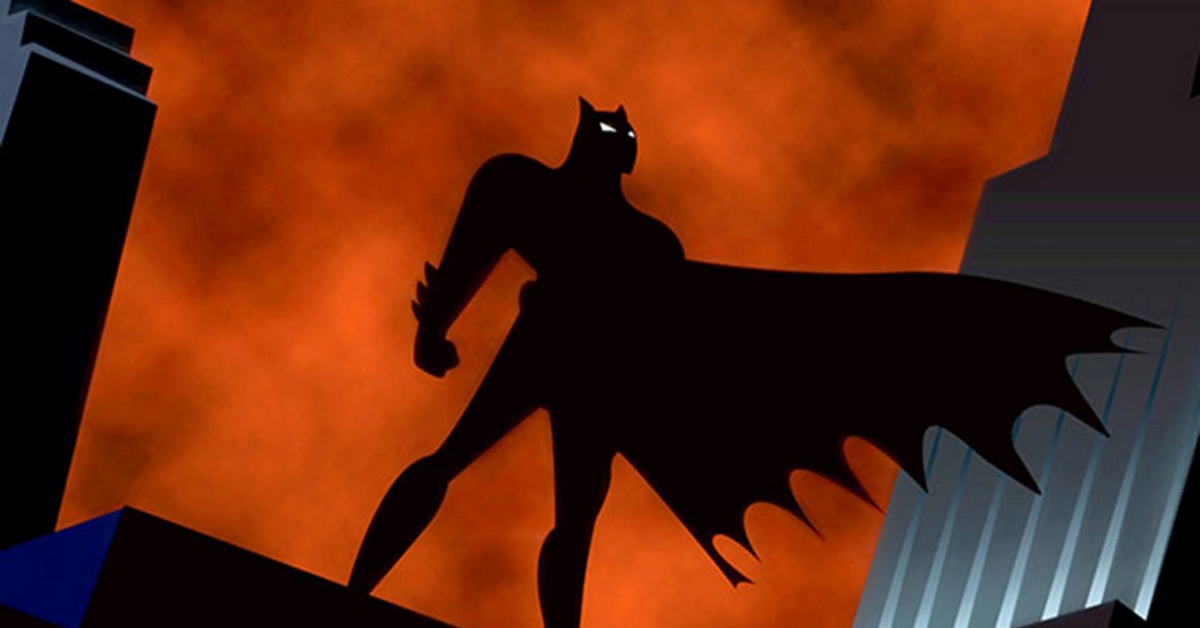
Batman: The Animated Series redefined superhero storytelling and introduced villains that embodied the complexity of the era, morally gray, theatrically tragic, and deeply human. This cartoon served as a blueprint for creating narratives that are both sharp and timeless.
🎭 Gotham’s Gamechangers
Batman: The Animated Series reshaped the entire superhero landscape. And while the show’s legacy often gets wrapped up in nostalgia for its noir aesthetic or Kevin Conroy’s unmatched voice work as Batman, its real cultural impact lies in the characters it introduced. BTAS gave Black and brown kids a blueprint for how creativity could push against the limits of what’s expected. Five iconic villains emerged from the series and redefined what it meant to be a Batman rogue, proving that innovation can thrive even in a universe dominated by an established canon.
Harley Quinn? She’s the obvious headliner here, but let’s not gloss over how revolutionary her creation was. Before BTAS, the world was content to let Joker run wild without a real foil. The show’s creators asked, “What if someone could match his chaos while exposing his insecurities?” Enter Harley, born in 1992, with her manic energy and tragic vulnerability. She was a walking commentary on abuse, loyalty, and the line between love and manipulation. Harley wasn’t plucked from the comics; she was dreamed up in the animation studio. And now, she’s arguably a bigger cultural force than the clown prince himself. That’s power.
But Harley isn’t alone. BTAS wasn’t afraid to ask deeper questions about the villains it inherited or the new ones it introduced. Take Mr. Freeze. Before the series, Victor Fries was just another cold-hearted criminal, pun intended. BTAS flipped the script, making him a tragic figure driven by love and loss. His icy exterior masked a story so devastating it redefined the character entirely. That’s why, decades later, Freeze’s “Heart of Ice” episode is still regarded as one of the best in television history, not animated television, all of television. The series had the audacity to tell us villains weren’t born evil; sometimes, they were broken by systems, by circumstance, by the same forces that could have turned any one of us into something unrecognizable.
The series had the audacity to tell us villains weren’t born evil; sometimes, they were broken by systems, by circumstance, by the same forces that could have turned any one of us into something unrecognizable.
Then there’s the cultural angle. BTAS reflected how Black and brown audiences often see ourselves in the margins of mainstream stories. Villains like Baby Doll, a tragic former child star, or Clayface, an actor consumed by his desire for fame, were metaphors for people chewed up by industries that profit off exploitation. They wanted their humanity back. How many times have we seen a system strip Black folks of our dignity, and then ask us why we’re “mad”? BTAS didn’t shy away from that question, even if it wasn’t framing it explicitly along racial lines. It tapped into the pain of being misunderstood, discarded, and judged by a world that refuses to see the full picture.
That’s the part the mainstream often misses when they talk about the show’s legacy. It resonated because it told stories that cut deeper than “good guy versus bad guy.” BTAS reminded us that every villain has a backstory, and even the darkest characters are shaped by their environments. For Black communities watching at home, that hit different. We know what it’s like to have our narratives flattened, our complexities ignored. BTAS was saying, “Wait. Ask why.”
So what does all this mean for us now? It’s a reminder that creativity is power. The show reimagined archetypes and, in doing so, gave us permission to demand more from every story we consume. Harley Quinn, Mr. Freeze, Clayface, they were proof that the status quo can be challenged, even in a franchise as rigid as Batman. For Black creatives, that lesson still matters. We don’t have to color inside the lines, even when the lines have been drawn for decades.
🎭 From Toon to Power Move
BTAS created vibes. Gotham’s rogues didn’t crawl out of comic panels, they strutted off the animation reel like they owned the room.
🎨 Villains That Redefined Art
Art shaped by the Black creative lens expands the boundaries of genre storytelling, proving that even a crime-fighting billionaire needs depth in his adversaries to make the story sing.